
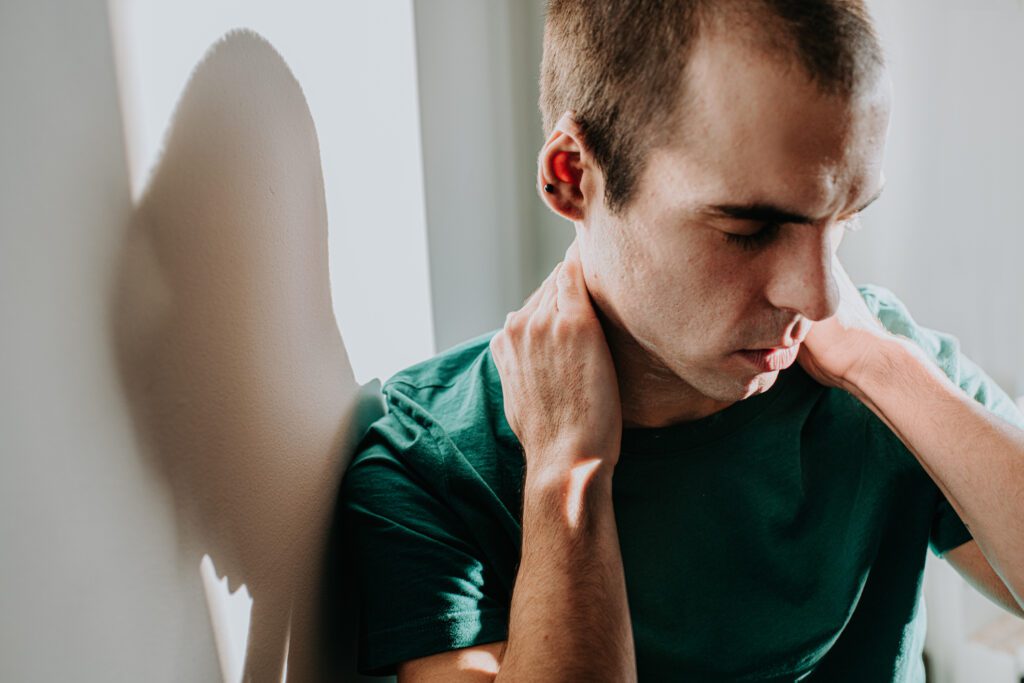
For those who use kratom for pain relief or wellness, recent federal action may leave them with questions about what happens next. New restrictions have changed how certain kratom-related products can be sold, and that shift can feel unsettling if the substance has been part of a person’s daily routine. Kratom comes from the leaves of the Mitragyna speciosa tree, native to Southeast Asia. For years, it’s been sold in the U.S. as a dietary supplement, and people have used it to manage pain, ease withdrawal symptoms or boost energy. Its legal status, though, has long been uncertain. The FDA has raised concerns about kratom’s safety profile and its potential for dependence, and federal regulators have now taken a formal step to restrict access. This matters for many people. For patients who rely on kratom, for the physicians counseling them and for communities working to address substance use issues, the change raises real questions that deserve clear answers. Below, you’ll find what the new restrictions cover, how they may affect someone and where to turn if those affected need support.
What Does the New Kratom Ban Actually Restrict?
On July 1, 2026, the Drug Enforcement Administration announced a temporary scheduling action targeting 7-hydroxymitragynine, often called 7-OH, along with related substances. This action places 7-OH under Schedule I on a temporary basis. Both the FDA and HHS have voiced support for the DEA’s scheduling decision. It helps to understand what 7-OH is. It’s one of two active compounds in kratom, alongside mitragynine, and both interact with opioid receptors in the brain. The federal action focuses on 7-OH, particularly concentrated or synthetic forms found in some newer products, rather than the raw leaf in every case. The restrictions center on the sale, distribution and marketing of these products. Affected products often include:
- Kratom extracts and tinctures: Higher-potency formulations that can carry greater risk
- 7-OH tablets and gummies: Concentrated products flagged by regulators for their strength
- Kratom-infused beverages: A growing product category drawing scrutiny
The scope of enforcement and the exact timeline can vary depending on where you live. Many states acted before the federal government did. According to reporting from The Hill on the DEA’s move, states including Ohio, Florida, California, Kansas, Connecticut, Tennessee, Michigan, Louisiana, New York and Utah had already passed their own kratom or 7-OH bans.
How Can the Kratom Ban Affect People Currently Using It for Pain or Wellness?
The concern is that some people who use kratom regularly may have developed a physical dependence. That means stopping abruptly can bring on withdrawal symptoms. According to the FDA’s information on kratom, withdrawal effects similar to opioid withdrawal have been reported. Reaching out to a healthcare provider before discontinuing use is important. The team at Calvary Healing Center can work with people who are grappling with kratom dependence or any substance use issue. With detox support, inpatient care and outpatient programs grounded in evidence-based therapies, Calvary Healing Center offers structured pathways for people ready to make a change.
What Should Healthcare Providers Know About the Kratom Regulatory Changes?
For medical professionals, the ban raises a practical question: how do you support patients who disclose kratom use, especially those who may not have known it carried dependence risk? Providers may find it helpful to:
- Screen proactively: Ask about kratom use as part of routine substance use screening.
- Educate without judgment: Many patients don’t view kratom as a drug, so a non-shaming approach can keep communication open.
- Connect to resources: Refer patients to structured treatment programs when dependence is a concern.
Staying current on guidance from the FDA and DEA can also help providers share accurate information as the situation continues to develop.
What Steps Should You Take if You Currently Use Kratom?
- Don’t stop abruptly: If you use kratom regularly, tapering under medical guidance is generally safer than stopping cold turkey.
- Talk to a doctor: A healthcare provider can assess a level of dependence and suggest appropriate next steps.
- Explore evidence-based alternatives: For pain management or mood support, there are clinically studied options a provider can discuss.
- Reach out for structured support: If dependence is a concern, a treatment program can offer the structure and care that is needed.
Change rarely happens in a straight line, and that’s okay. If you or a loved one are uncertain about next steps, don’t hesitate to contact a healthcare provider.
Frequently Asked Questions About the Kratom Ban
Is kratom addictive?
Kratom's active compounds interact with opioid receptors and can produce dependence with regular use. According to the <a
Can I still legally use kratom after the ban?
Legal status varies by state. The federal action primarily targets the commercial sale and distribution of 7-OH and related substances, as outlined in the DEA's press release. Consulting a local healthcare provider or legal resource can clarify what applies to you.
Which states have already banned kratom or 7-OH?
Several states acted ahead of the federal government. Based on reporting from The Hill, these include Ohio, Florida, California, Kansas, Connecticut, Tennessee, Michigan, Louisiana, New York and Utah, among others.
What are evidence-based alternatives to kratom for pain management?
Where can I get help if I'm dependent on kratom?
Calvary Healing Center offers detox, inpatient and outpatient treatment for substance use issues. You can call 888-492-5113 or complete a contact form to learn more about how Calvary Healing Center can help.
Calvary Healing Center Substance Abuse and Detox
The regulatory changes around kratom are significant, and the uncertainty they create is real. If you or someone you care about has been using kratom and is unsure what to do next, talking with a healthcare provider is a good first step.
Calvary Healing Center has supported people through substance use issues for nearly 60 years. The team takes a trauma-informed approach to care, treating the whole person, not just the substance.
Call 888-492-5113 or complete a contact us form to connect with the team.